You have probably seen them. The celebration where streamers and balloons bury the living room. Vibrant shades covering each corner. Hanging pieces from every inch of the ceiling. A giant backdrop that swallows the photo area. And somewhere within this sensory storm exists the little one we are celebrating—seeming dazed, not delighted.
This situation occurs frequently. Families try to build something special. However, at times, abundance leads to discomfort. The positive side is you can avoid this entirely. Through several easy changes, you can throw a party that looks beautiful and feels calm for the birthday kid.
In this guide the precise methods for avoiding excessive decor that overwhelm kids. Plus, we will mention how experienced planners approach this balance without sacrificing fun or festivity.
Understanding Your Child’s Reaction to Loud Decor
Let us talk about sensory processing for a moment. Kids, particularly younger ones, are still developing the ability to filter sensory input. A space packed with blinking bulbs, busy prints, various dangling objects, and intense opposing shades can actually trigger a stress response.

Research from pediatric behavior specialists from a recent analysis on young minds states that overly stimulating environments may result in tantrums, retreat, or emotional fatigue. In plain English: the more you hang, the less they enjoy.
Nobody is saying skip the celebration. It is about making wise decisions. A relaxed kid is a happy child. And that content little one translates to a great event.
Why Less Wall Coverage Creates More Fun
Here is a rule that professional event planners live by: select a single surface or a specific zone and place all your decorative items in that spot. The rest of the room remains largely empty.
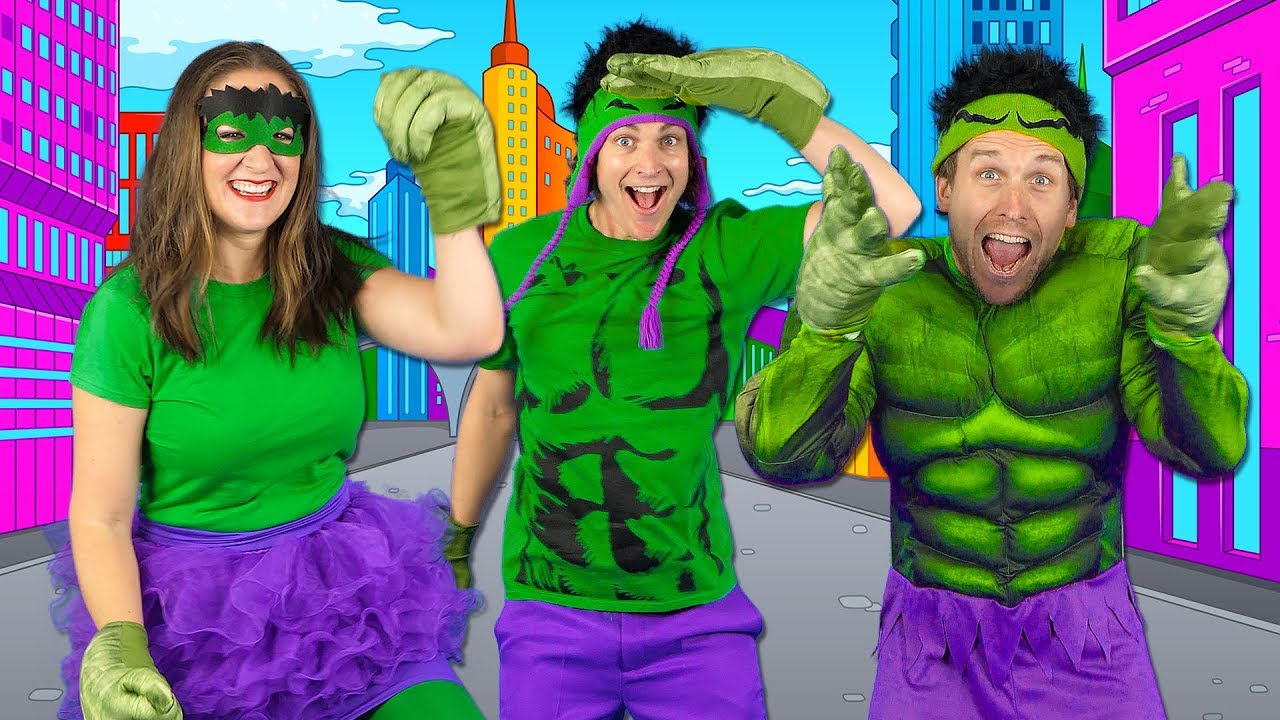
Why is this so successful? Given that kids need visual breaks. If each surface competes for focus, cognitive functions get tired. When a single spot contains decor, children can enjoy the exciting elements and then look away to a blank space for mental rest.
This approach further cuts your costs. frequently recommends this advice with parents who want big impact on a small budget. A single lovely, thoughtfully arranged zone produces a more lasting image than several chaotic spaces.
Color Calm: Choosing a Soothing Palette for Kids' Parties
Each hue impacts mood differently. Bright neon pink could appear exciting to adults. Yet, for a young child, it can feel aggressive.
Studies on how hues affect behavior suggests that pastel and muted tones are far less likely to overwhelm. Picture soft pink instead of hot pink. Sky tone instead of dark cobalt. Creamy gold rather than fluorescent lemon.
You can still have a themed party. Themed shades are still allowed. Just dial down event planner for birthday kids birthday party organiser with mascot in selangor the intensity. A muted superhero table setting is superior to an intense action figure scene.
This matches the exact level of attention that includes in every party they design. Because calm does not mean boring. Relaxing means enjoyable.
Why Animated Props Cause More Harm Than Good
Here is something many parents overlook. Animated ornaments along with blinking bulbs serve as a major cause of sensory overload.
Those spinning balloon towers. Those devices that cast shifting pictures across surfaces. Those wire bulbs that flash in sequences. Grown‑ups think they are cool. However, for a little kid, they can feel unpredictable and scary.
If lighting is part of your plan, choose constant, soft yellow bulbs. If animated elements are preferred, select only a gradually spinning piece. A bubble blower situated in one area typically works well because bubbles are soft and predictable.
The team at has seen countless parties where families invested large sums in moving decorations only to have children hide in another room. Do not let that be you.
Limiting Decor Per Table and Wall
Consider this straightforward principle: each area receives no more than three pieces of decor. The main celebration surface receives three pieces. The additional food area similarly contains three objects. The welcome surface likewise includes three pieces.
How do you define an object? A focal display counts as a single piece. A stack of plates does not count as decor. A character fabric is not an item. A mini decorative piece such as a small statue or wax light counts as one object.
This rule forces you to be selective. You cannot just throw everything on the table. You have to pick what actually matters. And when you choose the significant pieces, the final look is consistently superior.
Safe Spaces Where Kids Can Escape the Festivities
Even with the best planning, a few kids may still feel stressed. That does not mean you did anything wrong. It is entirely expected. The answer is an intentional calm area.
This does not need to be fancy. A section of the family room containing cushions. An untouched children’s bedroom. Even a simple empty carton with a blanket inside may serve as a peace den.
Place no decorations in this area. Zero background sound. No intense hues. Only silent, gentle, and secure. Inform the attending adults about this area. When a child feels overwhelmed, they can retreat here for a brief break.
This small addition is something recommends for every single children’s event. Because the best party is the one where each kid feels secure.
Why Children Are the Best Decoration
Here is a truth that might surprise you. You really can skip most luxury birthday event organiser in kuala lumpur of the supplies. The finest ornament at any children’s celebration are the young guests themselves.
Their bright clothing. Their excited faces. Their giggles and activity. These things decorate the room more effectively than any purchased sign.
This is not an excuse to avoid all decor. It suggests using ornaments to enhance the kids. Not the other way around. Not where little ones exist to highlight your purchases.
Reflect on that idea. If your kid is avoiding the ornaments, the event has lost its purpose irrespective of appearance. A basic decor plan with delighted little ones comes out ahead always.
Reading Your Child’s Body Language During the Celebration
Even with the best intentions, you could accidentally add too much. Look out for these indicators:
The child covers their ears or eyes. They decline to go near the ornament zone. They become tearful or fussy without explanation. They disappear under tables or around chairs. They grow needy and hold onto you tightly.
Should you notice these behaviors, do not force the situation. Clear a portion of the setup instantly. Deactivate blinking bulbs. Shift audio‑producing pieces to a different space. Occasionally, clearing just a few objects dramatically improves the little one’s response.
The team at trains their staff to recognize these signs during the initial quarter hour of every celebration. Quick response prevents a meltdown. And stopping problems early is permanently better than damage control.
The Takeaway on Avoiding Overwhelming Decorations
You adore your little one. You desire their celebration to be wonderful. That is beautiful. But magic does not come from plastic and flashing lights. Wonder arises from being valued, secure, and honored.
A simple balloon arch within just one zone. A table with three thoughtful decorations. A peaceful selection of hues. Without any flickering illuminations. A peaceful area for stressed times.
That combination creates a great party. That is how you avoid over‑the‑top decorations that cause anxiety in little ones.
Should you ever doubt your choices, always tells their clients: “You are throwing a party for a child, not a magazine cover.” Maintain a peaceful atmosphere. Remain uncomplicated. Ensure your little one remains the focus. The rest is merely extra.
Now, go ahead and arrange an event that feels like a hug, rather than a stimulation overload. Your child will thank you. And truthfully, so will each mom and dad in attendance.
